BANCAN
Banchan is a delicious little side dishes served at
the start Korean meals. Banchan dishes are set in the middle of the table and
are intended to be shared. The most common banchan include kimchi (cabbage,
cucumber, radish) and seasoned vegetables called muchim, like blanched or
steamed water spinach or bean sprouts tossed with sesame oil, soy sauce, sugar,
and chili flakes.
 |
| Baechu (Napa Cabbage) Kimchi |
 |
Chonggak (Ponytail Radish)
|
 |
Kkakdugi Cubed
Daikon Radish Kimchi
|
 |
Oi
Sobagi ( CucumberKimchi)
|
 |
| Baek (White Kimchi) |
The main dishes are made
from grains such as bap (a bowl of rice), juk (porridge), and guksu (noodles).
Bap(rice)
Rice means more than its purpose as a staple food in Korean Cuisine. It is a symbol of life and representation of prosperity. Koreans have disciplined themselves with one life principle: if you don’t work diligently in the rice field during the spring and summer time, the fall harvest will be affected, and you will not have enough rice to sustain life through the long winter.
 |
Ogokbap
|
 |
| Bibimbap |
 |
| Nurungji(Scroched rice) |
Juk (Porridge)
Juk is a predominantly Korean porridge made of grains such as cooked rice, beans, sesame, and azuki beans It is also a common food in other Eastern Asian countries under different names such as jook, in Cantonese.Juk is often eaten warm in Korea, especially as a morning meal, but is now eaten at any time of the day.
 |
| Heukimjajuk(Black sesame seeds porridge) |
 |
| Soegogi-yachaejuk(Beaf& vegatable porridge) |
 |
Jeonbokjuk(Abalone porridge)
|
Guksu(noodles)
Guksu is korean noodles that consisting of wheat flour noodles in a light broth made from anchovy and sometimes also dasima kombu. It served with some source that make from sesame oil, chili powder and scallions.
 |
| Naengmyeon (Cold noodles) |
 |
Japchae (Sweet Potato Noodles)
|
 |
| Sujebi(Hand torn noodlesoup |
Gogi (Meat dish)
Korean cuisine is largely based on meat. Most meat in Korea was likely obtained through hunting. Beaf is the most prized of all, with the cattle holding an important cultural role in the Korean home. Beef is prepared in numerous ways today, including roasting, grilling or boiling in soups. While chicken also played an important role as a protein. Chicken is often served roasted or braised with vegetables or in soups. All parts of the chicken are used in Korean cuisine, including the gizzard, liver, and feet.
 |
| Bulgogi (beaf) |
 |
Teriyaki chicken
|
 |
| Mukbang (Spicy fire chicken ) |
Juk/Tang (Soup)
Soups are a common part of any Korean meal. In Korea, soups are mostly served as part of the main course rather than at the beginning or the end of the meal, as an accompaniment to rice along with other banchan.
 |
| Samgyetang (Ginseng chicken soup) |
 |
| Gamjatang (Pork Bone Soup) |
 |
Ddeokguk ( Rice Cake Soup)
|
Yachae (vegetable dish)
Vegetable in korean cuisine which are often served uncooked, either in salads or pickles, as well as cooked in various stews, stir-fried dishes, and other hot dishes. The common vegetables include Korean radish, cucumber, potato, sweet potato, spinach, bean sprouts, scallions, garlic, chili peppers, seaweed, mushrooms and lotus root.
 |
| Musaengchae (Radish salad) |
 |
| Shigumchi Namul ( Spinach) |
 |
| Chwinamul(Korean Leaf Vegatable) |
Dessert& Drinks
Korean meals don't usually have desserts served at the end. The sweet things
in this category are meant to be served on special occasions, by themselves as
refreshments, or with tea. The Korean traditional snacks such as hotteok(korean pancake),geyongdan(rice cakes balls) and songpyeon(mooncake) have been an appetizing and crucial part of Korean cuisine, coming out into the limelight on special occasions such as weddings, birthdays, festival,memorial services.
 |
| Hotteok (Korean Pancake) |
 |
| Gyeongdan (Rice Cake Balls) |
 |
Songpyeon( Mooncake)
|
 |
| Hwakwaja |
 |
| Yul-lan(Chestnut cookies) |
 |
Maejakgwa (Ginger cookies)
|
 |
| Bungeoppang(Red bean waffles) |
 |
| Yakwa (Honey Pastry) |
 |
Matang(candied sweet potato)
|
 |
| Patbingsu |
 |
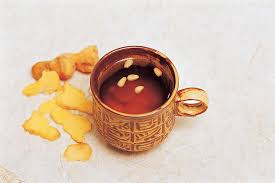
Saenggang Cha(Ginger tea)
|
 |
Makgeolli(rice
liquor)
|
Street food are most popular in South Korea. The inexpensive food may be purchased from pojangmacha ( a small tented spot that can be on wheels or a street stall) street carts during the day, where customers may eat standing beside the cart or have their food wrapped up to take home.
 |
| Sundae (blood sausage) |
|
|
Jjukkumi (Spicy Grilled baby Octopus)
|
 |
| Beondegi (Boiled silkworm) |
 |
| Mandu (Korean dumplings) |
 |
Twigim (Korean-style tempura)
|
 |
| Gimbap(Korean Sushi) |
 |
| Tokkebi Hot Dog |
 |
| Pajeon (pancakes) |
 |
Han Chu Fried Chicken
|
 |
Japchae hotteok(vegetable pancake)
|
 |
| Tteokbokki (Spicy Rice Cake) |
By : Kok Katty